Breathe Ease Anywhere, Feel Ready in Moments

Step into a lighter day with practical breathing you can carry in your pocket. Today we focus on on-the-go breathwork—portable breathing techniques for instant ease—so you can soothe nerves, sharpen focus, and reset energy without tools or privacy. Expect tiny, smart patterns you can use on the sidewalk, before calls, or between errands, plus stories, science nuggets, and gentle prompts that invite you to try, notice, and share your results.

Pocket Physiology for Instant Calm

The Exhale Advantage

Extending the exhale slightly longer than the inhale stimulates parasympathetic pathways, easing heart rate and muscle readiness. Try a quiet count like four in, six out, sustained for two minutes while walking or waiting. Notice shoulders soften, thoughts slow, and decisions feel less pressured.

Carbon Dioxide, Your Quiet Ally

Many people over-breathe under stress, blowing off carbon dioxide and feeling dizzy or edgy. Gentle, slower nasal breathing helps restore balance, improving oxygen delivery to tissues. Practice patience; slight air hunger can be safe, signaling adaptation. Keep it comfortable, never forcing or chasing extremes.

The Vagus Nerve Signal

Your body listens for cues of safety. Soft facial muscles, downcast gaze, and lengthened exhale collectively whisper, it’s okay. Use a micro-ritual: relax jaw, feel tongue rest, inhale through nose, sigh the air out slowly. That sequence reliably turns the inner volume down.

Discreet Techniques You Can Use Anywhere

Small, structured breaths can anchor you without drawing attention. We’ll share three reliable patterns for commutes, corridors, or crowded rooms. Each one takes under three minutes, needs no equipment, and pairs easily with movement or stillness. Explore box counts, a science-backed double inhale sigh, and a smooth, coherent rhythm that steadies heartbeat, clears mental fog, and restores a grounded sense of timing when life feels crowded.

Box Breathing in Motion

Trace a subtle mental square: inhale four, hold four, exhale four, hold four. Keep shoulders quiet and steps unhurried. Repeat for eight cycles while walking or standing in line. The gentle edges give structure, reduce ruminating, and cultivate calm alertness without obvious outward signs.

The Physiological Sigh

Take one natural inhale through the nose, add a tiny top-up sniff, then exhale long and slow through pursed lips. Two to five rounds lower tension rapidly. Research highlights its potency for quick relief. Use sparingly when spiking stress arrives, then return to relaxed breathing.

Coherent Cadence

Set a simple cadence around five to six breaths per minute, matching inhale and exhale lengths or favoring slightly longer out-breaths. This rhythm encourages heart-rate variability and a steady, centered mood. Sync with a song beat, footfall, or clock second hand for consistency.
Move, Notice, Breathe: Micro-Resets in Transit

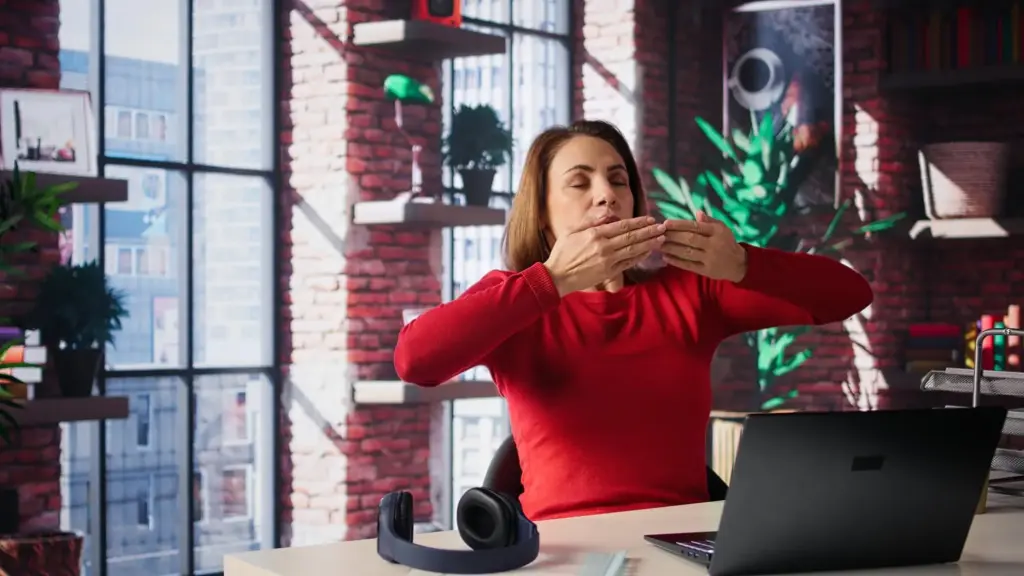
Subtle movement refines airflow and attention without demanding privacy. Pair breath with easy motions you already do: walking, reaching, pausing before doors. These combinations distribute relaxation through the body, reduce fidgeting, and help thoughts organize. Practice lightly, honoring comfort and context, so calm feels skillful, discreet, and repeatable anywhere.

Cues, Tools, and Tiny Rituals

Anchors You Can Touch

Choose a ring, bead, or zipper pull as a tactile reminder. Each time your fingers find it, take a slow inhale and longer exhale. The ritual builds association, so touch becomes a doorway to steadiness during commutes, hallway pauses, and elevator rides.

Gentle Tech Nudges

Set silent alarms or haptic prompts for two-minute breathing windows. Let them land between calendar items, not during them. Over days, your system starts anticipating relief. Keep it playful; skip when needed, return without guilt, and track which moments give the best payoff.

Scent as a Switch

A tiny vial of lavender or peppermint can cue one slow inhale and a longer, sighing exhale. Over time, the smell links with settling. Use sparingly to keep it effective, and avoid strong fragrances around others out of care and consideration.

Subway Jitters Eased

Rattling cars, heat, and crowding spiked tension fast. I picked the physiological sigh for three rounds, then settled into a four-six cadence. Shoulders dropped, a smile returned, and I even offered my seat. The ride ended feeling spacious, not squeezed by worry.

Hallway Before the Pitch

Heart racing and palms warm, I traced a mental square, four by four by four by four, for two minutes while reading the room’s energy. Breath steadied speech, softened tempo, and kept curiosity alive. The meeting began connected, clear, and unexpectedly enjoyable.

Bedtime Reset After a Long Day

Too wired to sleep after travel, I dimmed the screen and practiced twelve coherent breaths, slightly longer on the exhale. Mind chatter thinned, shoulders unclenched, and warmth spread through hands. Sleep arrived quickly, with less waking, and morning felt genuinely possible again.

Build a Portable Practice That Sticks

Consistency beats intensity. We’ll craft a light routine that attaches to what you already do, uses short windows, and respects changing energy. Expect checklists, reflection prompts, and invitations to share progress with our community, building accountability that feels kind, flexible, and genuinely useful during busy weeks.

Habit Stacking in Real Life

Link one breathing pattern to anchors that already exist: door handles, coffee waits, app loading screens, or bus stops. Repeat gently for a week. The cue-behavior pairing strengthens, and you gain dependable resets without extra willpower or schedule changes competing with important commitments.

Track What Actually Helps

After each micro-session, jot one line: when, where, pattern, and feeling before and after. Over days, your notes reveal best fits for mornings, meetings, or travel. Share a favorite combo below so others can learn, adapt, and celebrate small, repeatable wins together.