One Minute, Arrive Present

Today we explore One-Minute Mindfulness: Micro-Practices for Busy Commutes—simple, science-aligned moments you can weave into red lights, station platforms, elevator rides, and crosswalk beeps. Expect practical cues, friendly nudges, and stories that help you arrive steadier, kinder, and more focused before the day truly begins. Share the one cue that helped you today in the comments, and subscribe for friendly reminders that fit even the shortest rides.

Start Before The First Stop

Begin readiness the moment you reach for keys or transit card, turning everyday transitions into gentle anchors. Feel the strap on your shoulder, the cool air on your cheeks, the floor under your feet. Pair a single breath with a tiny intention, like travel safely, listen openly, move kindly. These small cues create momentum without effort, meeting bus doors, stairwells, and sidewalks with steadier nerves and a more welcoming mind. Test one of these on your next exit and tell us which felt most natural.

Breathwork Between Signals

Traffic lights, platform chimes, and elevator dings create natural timers you can ride without staring at a clock. Match inhale and exhale to familiar cues, letting carbon dioxide tolerance gently improve and nervous-system arousal settle. Keep eyes soft, jaw slack, and spine easy. These micro-adjustments harness physiology for calm, especially during unpredictable pauses that usually trigger impatience, so waiting becomes practice rather than punishment, presence rather than pressure. Try one pattern today and message us which timing felt friendliest.

Footstep Counting That Calms Without Effort

Count ten steps, then begin again, allowing interruptions without frustration. If someone stops abruptly, reset with kindness. Keep the count soft in the background, like music under conversation. The gentle structure steadies pacing and tames mental spirals during long platforms.

Handrail Temperature As A Grounding Cue

Notice whether the pole feels cool, warm, or faintly textured, and let that sensory fact keep you oriented when announcements, advertisements, and notifications compete for attention. Hygiene matters; if you avoid touching, observe light reflections instead. Simple noticing restores agency amid constant stimuli.

Color Hunts That Turn Crowds Into A Game

Pick one shade—teal, mustard, or crimson—and silently spot five instances from signs, scarves, or seat patterns. This playful scavenger hunt diverts worry loops while sharpening peripheral vision, making dense commutes feel lighter without sacrificing awareness or courtesy toward fellow travelers.

Body Ease In Tight Spaces

Bodies mirror the pace of traffic. When everything squeezes, muscles brace and breath shortens. Choose tiny, almost invisible adjustments to reclaim ease: soften knees, unhook ribs from pelvis, float the crown, and widen collarbones like sliding doors. These quick calibrations relieve hotspots without drawing attention, respect shared space, and benefit circulation. Over days, micro-mobility compounds into less stiffness at arrival and more energy for conversations that matter. Tell us which adjustment melted the most tension today.

Invisible Posture Tune-Up On The Train

Slide sit bones to the back of the seat, lengthen through the spine as if a helium thread lifts the head, and imagine shoulders melting into a warm scarf. Breathe low and wide. No dramatic movements; just small signals inviting spaciousness.

Tiny Stretches During Red Lights

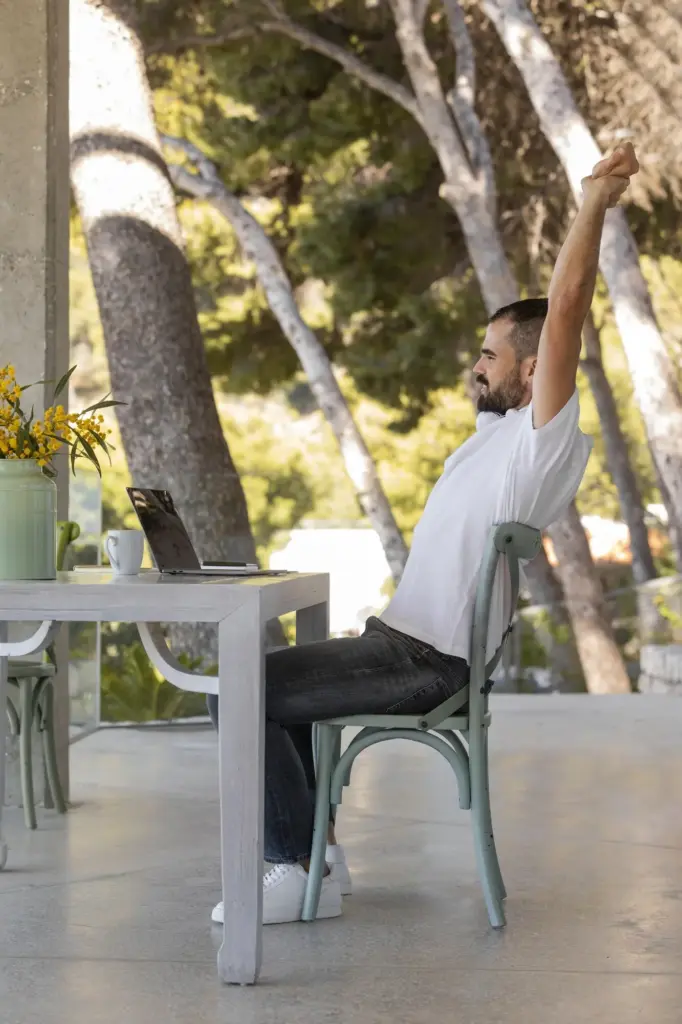
Keep eyes on the environment, then gently roll one shoulder at a time, trace small circles with the nose, or spread toes inside shoes to refresh circulation. Each micro-move lasts seconds, invisibly recalibrating posture while the pause already planned by traffic unfolds.

Release Grip, Soften Hands, Feel Support

Notice how tightly you hold the steering wheel, phone, or bag. Loosen fingers until the object rests rather than hides inside a fist. Let palms broaden. This tiny invitation ripples up forearms and neck, easing hidden strain that accumulates unnoticed.

Mind Habits For Kinder Commutes

{{SECTION_SUBTITLE}}
Reframing Delays As Built-In Breathing Rooms

When the schedule slips, mark the moment with five slow breaths rather than refreshing apps in panic. Imagine the timetable gifting you recovery. Choose one anchor—sound, touch, or sight—and linger kindly. The train still arrives; you arrive steadier.

Compassion Practice For The Honking Stranger

Silently offer phrases while keeping attention on safety: May you be safe, may you find ease, may your day soften. You are not condoning behavior; you are preventing their stress from renting space in your nervous system, preserving clarity for choices ahead.

Phone As A Mindful Ally

Lockscreen Cues You Actually Notice

Set a background with a single word—Breathe, Soften, Listen—or a photo that evokes steadiness. Each glance becomes an invitation instead of a demand. Combine with reduced notifications so the cue is clear, friendly, and aligned with how you want to arrive.

Sixty-Second Timers That Feel Like A Gift

Use a discreet vibration to mark a one-minute pause between meetings or after parking. Close eyes if safe, or soften gaze. Track ten breaths or scan shoulders to feet. End feeling replenished rather than behind, strengthened by consistency over intensity.

Snapshot Mindfulness With One Photo

Choose one grounding image per day—a beam of sun on concrete, spiraling steam from coffee, children’s chalk on the sidewalk. Take a single photo without editing. Later, reviewing becomes a brief gratitude meditation that retrains attention toward presence and wonder.